

Fleet Maintenance Logs: How to Keep Records That Save Money
Share this:
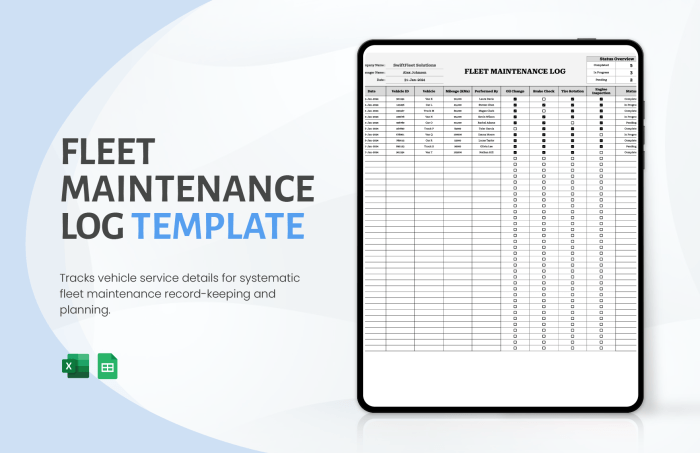
When it comes to Fleet Maintenance Logs: How to Keep Records That Save Money, the key lies in efficient record-keeping that can lead to significant savings. Let's dive into the world of fleet maintenance logs and discover the secrets to cutting costs while maintaining optimal performance.
In the following paragraphs, we will explore the importance of accurate maintenance logs, best practices for maintaining them, cost-saving strategies, and the compliance and legal aspects you need to consider.
Importance of Fleet Maintenance Logs
Keeping accurate fleet maintenance logs is crucial for saving money in the long run. By maintaining detailed records of all maintenance activities, fleet managers can ensure that vehicles are serviced on time, preventing costly breakdowns and repairs. Additionally, proper maintenance can help extend the lifespan of vehicles, reducing the need for frequent replacements.
Key Components of Maintenance Logs
- Vehicle identification information, including make, model, year, and VIN number
- Date and mileage of each maintenance service performed
- Details of the maintenance tasks carried out, such as oil changes, tire rotations, and brake inspections
- Cost of each maintenance service for budget tracking purposes
Tracking Vehicle History and Predicting Maintenance Needs
Maintenance logs help in tracking the complete history of each vehicle in the fleet. By analyzing past maintenance records, fleet managers can identify patterns and trends, allowing them to predict when certain components may need to be replaced or serviced.
This proactive approach can help prevent unexpected breakdowns and costly repairs, ultimately saving money and ensuring the smooth operation of the fleet.
Best Practices for Maintaining Fleet Maintenance Logs
Keeping accurate maintenance records is crucial for the efficient operation of any fleet. Here are some best practices to help you set up an effective fleet maintenance log system:
Step-by-Step Guide for Setting Up Maintenance Log System:
- Create a standardized template for recording maintenance activities, including vehicle information, date of service, type of maintenance performed, parts replaced, and mileage.
- Assign a unique identification number to each vehicle for easy reference.
- Establish a regular schedule for updating maintenance logs after each service or repair.
- Store physical maintenance records in a secure and organized filing system.
- Implement a digital maintenance log system for easier access and data retrieval.
Organizing Maintenance Records for Easy Access and Reference:
- Categorize maintenance records by vehicle type, date of service, or type of maintenance performed.
- Create a searchable database for digital maintenance logs to quickly locate specific records.
- Regularly review and update maintenance records to ensure accuracy and completeness.
- Train staff members responsible for maintaining logs on the proper procedures for record-keeping.
Digital versus Manual Maintenance Log Systems:
When it comes to choosing between digital and manual maintenance log systems, consider the following pros and cons:
| System Type | Pros | Cons |
|---|---|---|
| Digital |
|
|
| Manual |
|
|
Cost-saving Strategies Through Effective Maintenance Logs
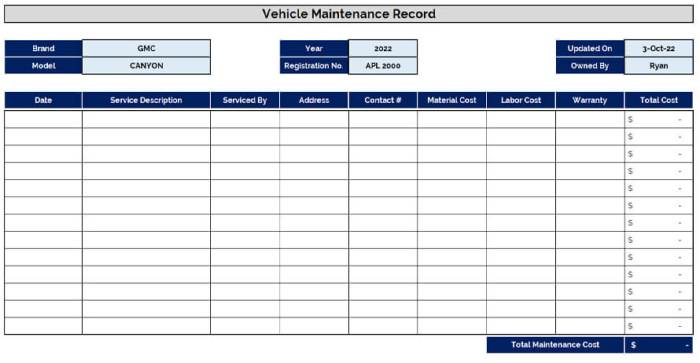
Effective maintenance logs play a crucial role in helping fleet managers identify cost-saving opportunities, prevent costly breakdowns, and optimize overall fleet performance. By analyzing maintenance logs, fleet managers can make informed decisions that ultimately lead to reduced operating expenses.
Identifying Cost-saving Opportunities
- Regularly reviewing maintenance logs can reveal patterns of recurring issues or maintenance needs, allowing fleet managers to address them proactively.
- Identifying specific vehicles that require frequent repairs can help in making data-driven decisions regarding repairs, replacements, or upgrades.
- Tracking maintenance costs over time can highlight areas where expenses can be optimized, such as switching to more cost-effective parts or service providers.
Preventing Costly Breakdowns
- Proactive maintenance based on the analysis of maintenance logs can help prevent unexpected breakdowns that often result in costly repairs and downtime.
- Regular inspections and timely repairs, guided by maintenance logs, can extend the lifespan of vehicles and reduce the likelihood of major mechanical failures.
- Scheduled maintenance tasks, such as oil changes and tire rotations, can be optimized based on historical data from maintenance logs to prevent potential issues.
Optimizing Fleet Performance
- Utilizing maintenance logs to track fuel consumption, mileage, and overall vehicle performance can help in identifying opportunities to improve efficiency and reduce fuel costs.
- Monitoring maintenance schedules and adhering to recommended service intervals can enhance the reliability of fleet vehicles, minimizing unexpected maintenance expenses.
- Analyzing maintenance logs for trends and performance indicators can guide strategic decision-making to optimize fleet operations and minimize overall operating expenses.
Compliance and Legal Aspects of Fleet Maintenance Records
Maintaining accurate fleet maintenance records is not just a matter of operational efficiency but also a legal requirement in many jurisdictions. These records serve as crucial evidence of the vehicle's maintenance history and are essential for compliance with industry standards and regulations.
Legal Requirements for Maintaining Fleet Maintenance Records
- Most regulatory bodies require fleet operators to keep detailed records of all maintenance activities performed on their vehicles.
- These records should include information such as the date of maintenance, the type of service performed, parts replaced, and the name of the technician or mechanic who carried out the work.
- Failure to maintain accurate maintenance logs can result in penalties, fines, or even the suspension of operating licenses.
Role of Maintenance Logs in Compliance and Audits
- Accurate maintenance logs play a crucial role in demonstrating compliance during audits and inspections by regulatory authorities.
- Having well-documented maintenance records can help fleet operators prove that their vehicles are being properly maintained and meet all safety standards.
- During audits, maintenance logs are often scrutinized to ensure that maintenance schedules are being followed, and any issues are promptly addressed.
Outcome Summary
In conclusion, Fleet Maintenance Logs: How to Keep Records That Save Money is not just about documentation; it's a strategic tool that can revolutionize the way you manage your fleet. By following the tips and insights shared here, you can ensure efficiency, reliability, and most importantly, significant cost savings in the long run.
General Inquiries
How often should I update my fleet maintenance logs?
You should aim to update your maintenance logs after every service or repair to ensure accuracy and effectiveness.
Can digital maintenance log systems replace manual ones entirely?
While digital systems offer convenience, manual logs can serve as a backup and provide a tangible record.
What should I do if I notice discrepancies in my maintenance logs?
Investigate the root cause of the discrepancies, correct them promptly, and implement measures to prevent future errors.